GTSF moves towards its closing milestones at the final transnational meeting in Valencia
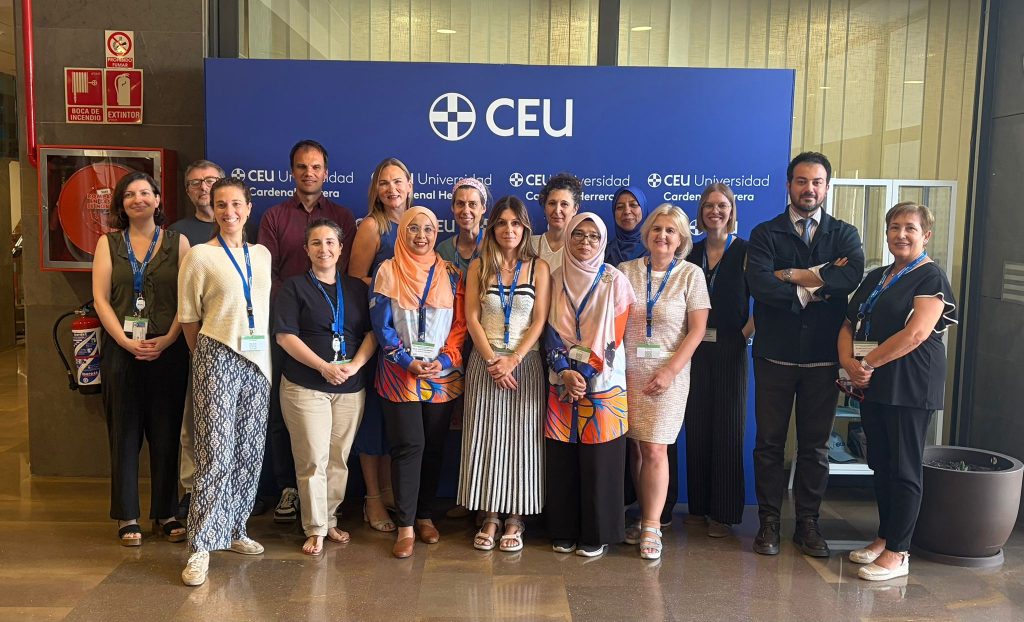
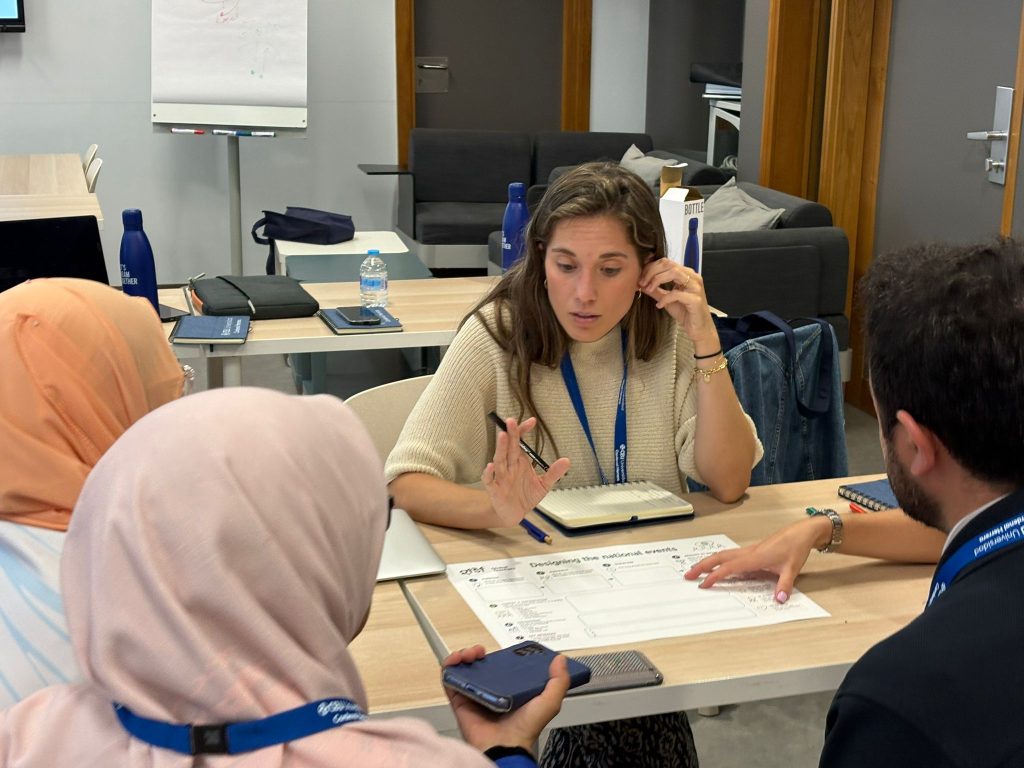
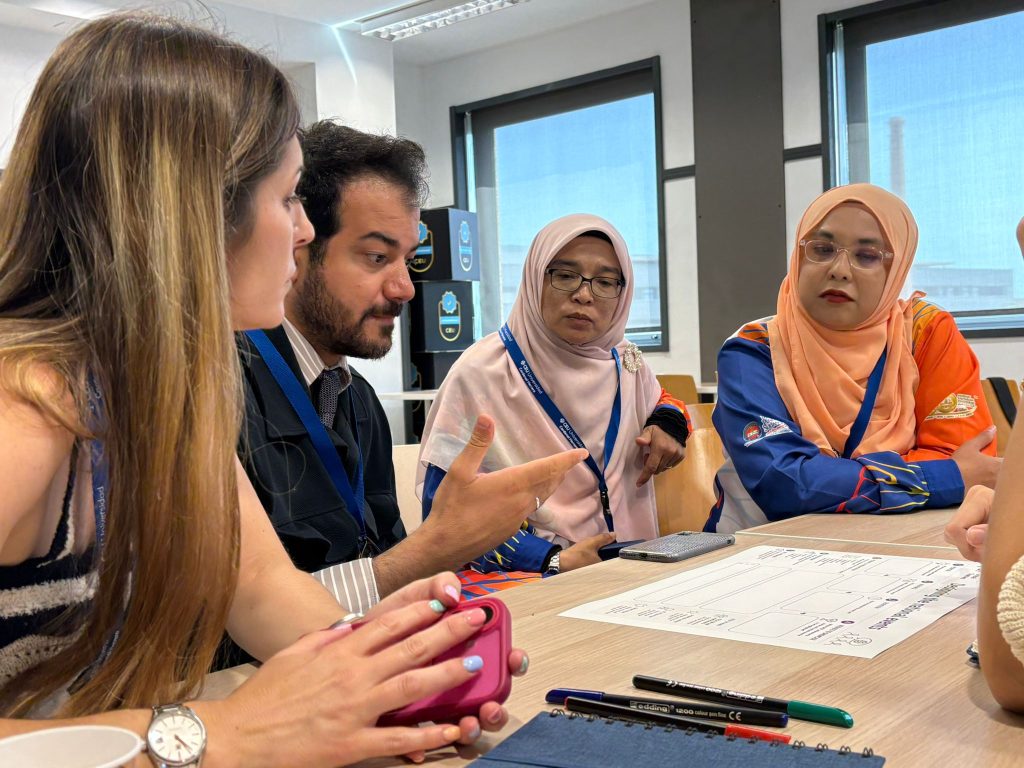
As the Global Teachers for a Sustainable Future (GTSF) project approaches its final months, the consortium gathered in Valencia on 22 and 23 June for its third and final transnational meeting, hosted by CEU Cardenal Herrera University. All partner institutions were present, including Universiti Pendidikan Sultan Idris (UPSI) from Malaysia, reaffirming the genuinely global character of the partnership through to its closing phase.
The meeting brought together two central strands of work: a first assessment of the GTSF Students Programme pilot, and progress on the project’s key remaining deliverables.
Early signals from the pilot
While a full evaluation of the pilot is still ongoing, initial impressions shared by participating teachers point in a consistent direction. Educators highlighted the practical, action-oriented nature of the programme as one of its strongest features. They emphasised the distinctive value of collaborating with partners from countries that are less commonly represented in European exchange programmes, which broadened the scope of intercultural dialogue beyond familiar circuits. For students, the chance to work directly with peers from other countries stood out as one of the most meaningful aspects of the experience, expanding their understanding of global challenges through exposure to different cultural, social and educational contexts.
These are preliminary observations, and a more complete evaluation will follow as the project moves towards its final assessment.
Two milestones taking shape
The Valencia meeting also advanced two of the project’s most significant outputs.
The first is a micro-credential currently in the design phase. This will certify the sustainability and global citizenship competencies developed through the programme. It will be aimed at undergraduate teacher education students, offering a concrete, recognised credential that speaks to the kind of specialisation increasingly relevant in 21st-century education.
The second is the GTSF Manual, a comprehensive guide that supports the implementation of evidence-based teaching practices in Education for Sustainable Development and Global Citizenship Education. The manual will bring together the main findings and lessons from the GTSF Students Programme, the GTSF Virtual Exchange Trainer & Facilitator Programme and the micro-credential itself, offering institutions a structured framework to integrate sustainability and global competence into teacher education long after the project concludes.
Both deliverables will be finalised in the coming months, as the consortium moves towards the project’s closing phase.