
The «Kampung Spirit» Goes Global: Malaysian Educators Lead the Charge for a Sustainable Future
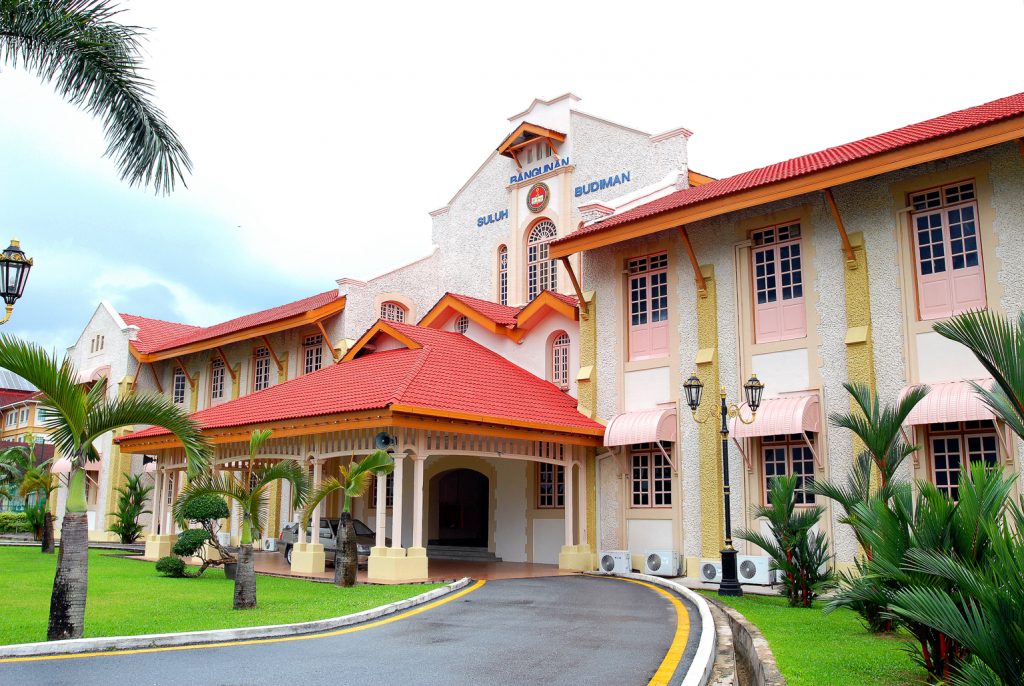
By ChM Dr Yuhanis binti Mhd Bakri, Prof. Dr. Bahbibi Rahmatullah, and Assoc. Prof. Dr. Aslina Saad, from Universiti Pendidikan Sultan Idris (UPSI)
In the heart of Tanjung Malim, Perak, a profound transformation is taking place that blends traditional Malaysian values with a cutting-edge global mission. The «Kampung Spirit» that deeply rooted a sense of community, mutual cooperation, and shared responsibility is being channelled into the Global Teachers for a Sustainable Future (GTSF) initiative, proving that local wisdom is the key to solving the world’s most pressing challenges. Universiti Pendidikan Sultan Idris (UPSI) stands as a proud representative of Malaysia and the ASEAN region in this ambitious project, which brings together 11 esteemed universities and associations from ten countries, including Spain, Germany, Austria, Türkiye, Ukraine, Colombia, Romania, Mexico, and Sweden.
This collaborative journey has united over 400 students from various nations, not only participating organizing counties to explore how education can actively contribute to a more sustainable, connected and fairer world. By moving beyond the walls of the classroom, these future educators are demonstrating that the heartbeat of global change often begins in the small-scale interactions of a local neighbourhood.
The GTSF pilot program has successfully transformed «Internationalization at Home» from a mere academic buzzword into a hands-on learning experience. At a time when the Sustainable Development Report 2024 warns of slowing global momentum toward the Sustainable Development Goals (SDGs), this initiative offers a hopeful and practical response. It translates global ambitions into community action, ensuring that sustainability is not just discussed in lecture halls but lived through «gotong-royong» and collective responsibility. The curriculum design deliberately begins with relationship-building rather than just theory. During the first week, students focus on «Creating a Kampung Community Spirit,» engaging in identity-reflection activities like «What’s in a Name?» to foster a brave and inclusive learning environment. This mirrors Malaysia’s communal traditions, where understanding one’s roots and respecting differences form the foundation of a peaceful society.
The educational roadmap within GTSF is structured to turn awareness into concrete action through a rigorous three-step process. In the first step, students meet in groups to dissect SDG 4 (Quality Education), exploring its main objectives and why it serves as the foundation for all other development goals. The second step encourages individual reflection, where future educators look inward to define what quality education means to them while identifying unique local barriers such as equity and inclusion. Finally, the journey leads to a joint transformation focused on «Glocal» thinking. Here, students brainstorm how to reform educational systems to promote essential future skills across diverse cultural contexts. This transition from awareness to the «Action Taking Cycle» ensures that sustainability is woven into the very fabric of their future careers.
Central to this movement is the vibrant energy of student-led initiatives at UPSI. Through the program «Engaging Students in the SDGs: Student-Led Initiatives for Sustainable Development,» the university showcases how student organizations, clubs, and grassroots projects are prioritizing social justice and environmental conservation. These efforts empower the younger generation to take charge, proving that higher education institutions are no longer just «ivory towers» but are active knowledge brokers that connect students to their communities. Whether they are researching inclusive educational tools or advocating for environmental stewardship, these students are applying the «5 Ps» of sustainable development, People, Prosperity, Peace, Planet, and Partnerships to real-world scenarios. This model supports SDG 4.7 by equipping teachers with the competencies needed to promote global citizenship and cultural appreciation directly within their own domestic learning spaces.
Ultimately, the GTSF initiative represents a powerful convergence between Malaysia’s national educational blueprints and global sustainability ambitions. By integrating the heart-centred solutions of the «Kampung Spirit» with the structured goals of the 2030 Agenda, UPSI is setting a new standard for teacher education. As the RPTM and RPM move forward into the next decade, this project serves as a beacon of how Malaysian institutions can act as «knowledge brokers,» bridging the gap between local realities and global responsibilities. From identity reflection to cross-border collaboration, the journey from awareness to action reminds us that the future of education lies in communities, local and global, working together with purpose, empathy, and courage to build a sustainable future for the next generation.